
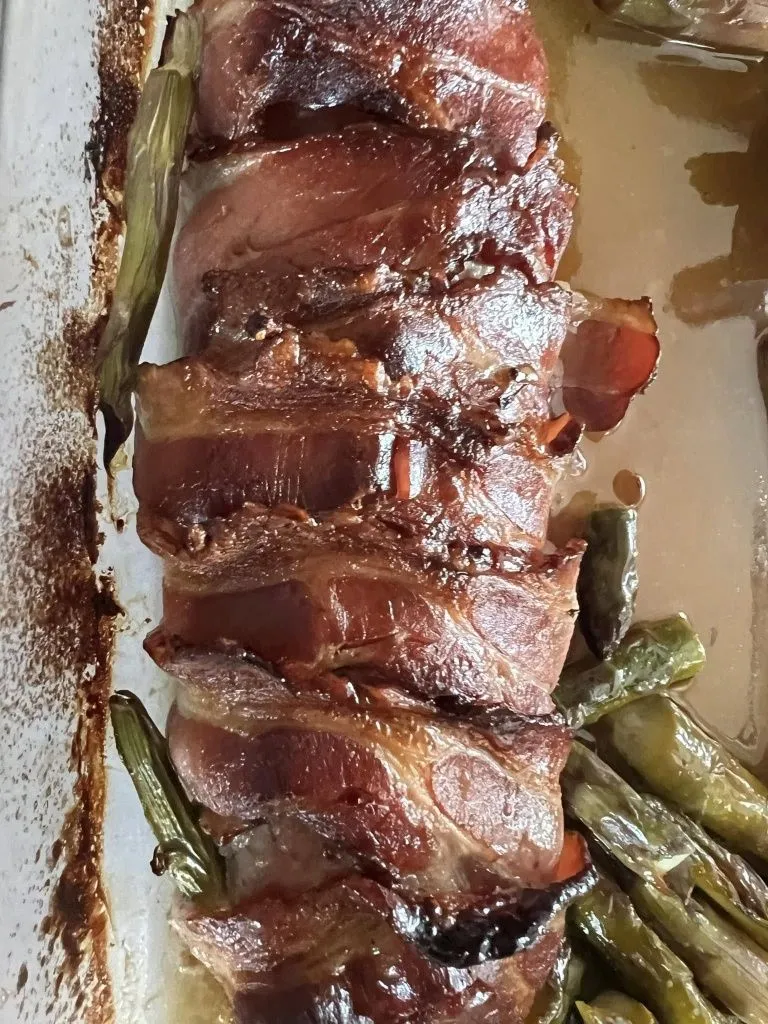
Few meals bring a family together like a full rack of tender pork ribs. The smell fills the kitchen, and everyone starts looking forward to dinner. Good ribs do not need fancy cooking skills or hard-to-find ingredients. A few simple steps can create juicy meat with rich flavor.
The process starts with choosing good pork. Anyone planning to buy pork ribs should look for fresh cuts with good meat coverage. The right cooking method also makes a big difference. Low heat, enough time, and proper seasoning help create tender ribs.
Pork ribs can become the main attraction at family dinners, weekend cookouts, and casual gatherings. Add a few simple sides, and you have a meal everyone can enjoy.
Start With the Right Rack
Great ribs begin with a good cut. Pork ribs come from different sections of the pig. Each cut has its own shape, meat level, and cooking time. Baby back ribs come from the upper rib area near the loin. They tend to be smaller and leaner. Spare ribs come from the lower rib section. They usually have more fat and meat.
Many home cooks search for the best baby back ribs because they cook well and offer a tender bite. Their smaller size also makes them easy to serve. Look for ribs with a healthy amount of meat across the bones. The meat should look fresh and moist, not dry. A little fat helps keep the ribs juicy during cooking.
Give the Ribs Some Flavor First
Seasoning does not need to be complicated. A simple dry rub can bring out the natural pork flavor. Salt should form the base of your seasoning. Black pepper adds a mild kick. Garlic powder gives the ribs a savory taste. Paprika can add color and a gentle smoky note. Brown sugar works well for people who enjoy a sweeter crust. Chili powder can add some warmth without making the ribs too spicy.
Mix your chosen seasonings in a small bowl. Rub the mixture over every part of the ribs. Make sure the seasoning reaches the sides and edges. Let the ribs rest after seasoning. Thirty minutes can give the flavors time to settle. You can also season them several hours before cooking. Keep the seasoning balanced. Too much sugar can burn during long cooking. Too much salt can cover the natural pork flavor.
Low and Slow Makes a Difference
Ribs need time to become tender. High heat can cook the outside too quickly. The inside may still need more time. A low oven temperature works well for home cooks. Set the oven around 275°F for a slow cooking process. Place the seasoned ribs on a baking sheet. Cover them tightly with foil. The foil helps hold moisture close to the meat.
Let the ribs cook for several hours. Baby back ribs may need around two to three hours. Larger racks can need additional time. Cooking time depends on the rack size and your oven. Check the ribs as they cook instead of relying only on the clock. Tender ribs should bend easily when lifted. The meat should also pull away from the bones with little effort.
Add Sauce at the Right Time
Barbecue sauce can give pork ribs a sweet, smoky finish. Applying it too early can cause problems. Many sauces contain sugar, which can burn during long cooking. Save the sauce for the final part of cooking. Remove the foil and brush sauce over the ribs. Return the ribs to the oven for about 15 to 20 minutes. The sauce will thicken and form a sticky coating.
You can add another thin layer before serving. Several light layers usually work better than one heavy coating. Try different sauces to suit your family. A sweet sauce works well for younger diners. A smoky sauce can bring stronger flavor for adults.
Finish Them on the Grill
An oven can make ribs tender, but a grill adds another layer of flavor. The heat creates a slightly crisp outside. Move the cooked ribs onto a preheated grill. Keep the heat at a medium level. Brush the ribs with sauce as they cook. Grill each side for a few minutes. Watch the ribs closely during this step. Sugar in the sauce can burn quickly.
Look for light browning and small charred spots. Those marks add a pleasant grilled taste. Grilling also makes pork ribs a great choice for summer gatherings. The cooking can happen ahead of time. The final grilling can happen just before dinner.
Buy Ribs From a Farm You Can Trace
Knowing where your pork comes from can add value to the family meal. Local farms give shoppers a closer connection to their food. People looking to buy pork ribs can consider farms that raise their own livestock. That connection can make it easier to learn about the food on your plate.
VanWassenhove Farms raises livestock on its family farm in Cabery. The farm serves Kankakee and nearby Illinois communities. Its offerings include Berkshire pork, beef, seasonal vegetables, farm-fresh eggs, and farmstand products. Customers can shop for several farm products in one place.
Berkshire pork can work especially well for meals centered around slow-cooked cuts. A good rack of ribs needs little fuss when the cooking process gets enough time. Shoppers interested in the best baby back ribs can also ask about available pork cuts. Product availability can change with the season and current farm inventory.
Make Rib Night a Family Tradition
A great rib dinner does not need complicated recipes. Start with a quality rack and give it plenty of time. Season the ribs well and cook them slowly. Keep them covered during the first stage to help retain moisture. Add barbecue sauce near the end. A short finish on the grill can bring extra flavor and color.
Fresh sides can complete the meal without taking attention away from the ribs. Leftovers can also turn into easy meals later. VanWassenhove Farms brings that farm-to-table connection to families around Cabery and Kankakee. Its Berkshire pork, beef, vegetables, eggs, and farmstand products come directly from the farm.
For anyone planning a tender, flavor-packed family meal, pork ribs make a satisfying centerpiece. VanWassenhove Farms makes that meal feel even closer to its source. The food begins on the farm and ends around the family table.